
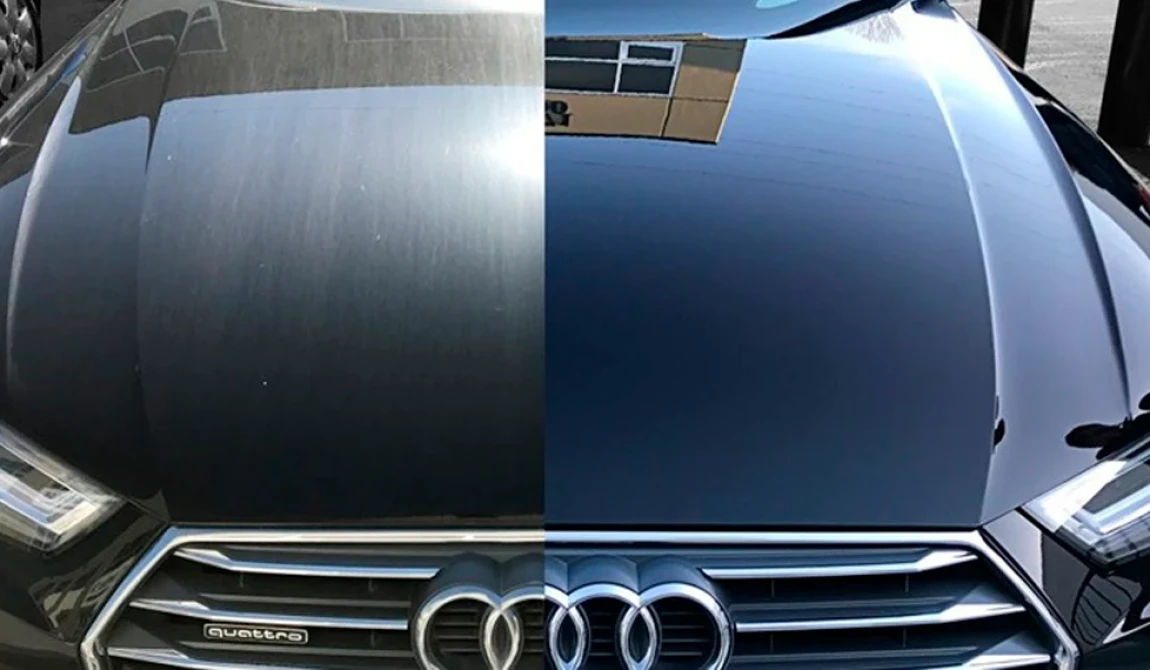
Imagine your car maintaining its deep gloss and showroom finish for years while becoming easier to wash and protect from everyday contaminants. That is exactly why ceramic coating has become one of the most popular forms of paint protection for modern vehicles.
Ceramic coating creates a durable protective layer over your vehicle’s paintwork, helping to repel water, dirt, UV rays and environmental contaminants while enhancing gloss and reducing maintenance.
What is Ceramic Coating?
At its core, ceramic coating is a liquid polymer containing silicon dioxide (SiO2), the same mineral compound found in glass. When applied to the car's paint, it undergoes a curing process to form a hard, ultra-thin layer that acts like a microscopic suit of armor for your car’s exterior. This resilient coating provides a level of protection that traditional waxes simply can’t match, all while enhancing the paint’s depth and gloss.
The ceramic layer is incredibly thin, often measured in nanometers. Think of it as an invisible yet really durable barrier against the elements. The coating essentially becomes one with the vehicle's paint, forming a layer that guards the surface against any external factors.
How Ceramic Coatings Work?
Ceramic coatings don’t just sit on the surface; they form a strong covalent bond with the paint, creating a near-permanent barrier that’s difficult to break down. Traditional waxes, on the other hand, merely coat the surface and gradually wear off, especially under harsh weather conditions or frequent washing.
The bond between the ceramic coating and the paint is critical to its effectiveness. Once the coating cures, it doesn’t wash away or degrade quickly. Instead, it forms a tough, almost glass-like layer that can withstand environmental elements and minor abrasions.
Hydrophobic Protection and Water Repellency
One of the most popular and noticeable benefits of ceramic coating is its hydrophobic property, or water repellency. Water beads up and rolls off the surface instead of sticking, creating an effect that keeps your car cleaner for longer. This hydrophobicity doesn’t just make rainwater bead up; it also repels dirt and grime, which means that washing your car becomes a quick, easy task rather than a labor-intensive chore. The hydrophobic surface helps water, dirt and grime slide off more easily, making the vehicle easier to clean and maintain.
Protection Against UV Rays, Dirt and Scratches
The benefits of ceramic coating go beyond just water repellency. Your car faces a range of environmental threats daily, including UV rays, chemical stains, and minor abrasions. It provides a level of protection against each of these elements:
UV rays: Sunlight can cause your car’s paint to fade over time, especially if you often park outdoors. Ceramic coating acts as a form of "sunscreen," protecting your paint from the sun’s damaging rays and keeping your color vibrant.
Swirls and scratches: Traditional car washes or improper drying can cause fine swirls and scratches in the paint. The ceramic layer acts as a sacrificial layer, absorbing light scratches that would otherwise affect your car's paintwork.
Chemical stains: Bird droppings, bug splatters, tree sap, and acid rain are all capable of damaging paint if left untreated. Ceramic coating provides a protective barrier against these contaminants, allowing you time to wash them off before they can cause lasting damage.
Easier Car Cleaning and Maintenance
Washing your ceramic-coated car becomes a joy. Because dirt and grime have a harder time adhering to a ceramic-coated surface, your car stays cleaner longer. When you do need to wash it, the process is quicker and requires less scrubbing. A simple rinse and gentle wipe-down bring back the shine, making your car look freshly detailed with minimal effort.
What Ceramic Coating Does Not Protect Against
While ceramic coating offers incredible protection, it's not invincible. A common misconception is that it can withstand anything thrown at it, but deep scratches, harsh impacts, or aggressive chemicals can still penetrate the ceramic layer. However, with regular maintenance and proper washing techniques, you can maximise its longevity and effectiveness.
A Smart, Lasting Investment
Ceramic coating is an investment that pays off in the long run. Unlike waxes that last a few months at best, a high-quality ceramic coating, with proper care, can last for years, saving you time and money on frequent waxing and detailing. This longevity makes it ideal for car owners who plan to keep their vehicle for years to come.
Ceramic Coating vs Wax
Unlike traditional wax, ceramic coating forms a much stronger bond with the vehicle’s paintwork and generally lasts significantly longer. While wax may last a few months, professionally applied ceramic coatings can provide protection for several years with proper maintenance.
Ceramic Coating vs Paint Protection Film (PPF)
Ceramic coating helps protect against dirt, UV rays and chemical contaminants, while Paint Protection Film provides stronger protection against stone chips and physical damage.
Many prestige car owners choose to combine both for maximum protection and long-term paint preservation.
The Prestige Cars Kent Advantage: Ceramic Coating and Beyond
At Prestige Cars Kent, we provide professional ceramic coating services tailored specifically for prestige and luxury cars. Our technicians are highly trained and use only the finest products to ensure that your car’s paintwork receives the best possible treatment. Alongside ceramic coating, we offer a comprehensive range of services, including routine maintenance and MOTs, to keep your vehicle in optimal condition.
With its superior protection and ease of maintenance, ceramic coating is a game-changer for car care enthusiasts. So, ditch the endless waxing and embrace the future of car protection with a coat of ceramic magic. Contact us today and give your car the protection it deserves at Prestige Cars Kent. Find out more about our Williams Paint Protection in our dedicated page.